 Canada
 United States
 Bahamas
 Jamaica
 Trinidad & Tobago
 Antigua & Barbuda
 Barbados
 Anguilla
Trinidad and Tobago Talent Pipeline

Why does every Trinidad and Tobago employer keep losing the same skilled people to the same overseas markets? The phone rang at 8:47 AM. Another resignation. This time, their lead software developer, three years of training, institutional knowledge, and client relationships walking out the door to a competitor offering significantly higher compensation. The HR manager at this Port of Spain tech company stared at her spreadsheet tracking turnover. Fifteen people this year. In a team of sixty.
Trinidad and Tobago's talent pipeline challenges stem from brain drain, skills gaps in emerging sectors, and intense competition for experienced professionals. Companies that successfully attract and retain talent focus on competitive compensation, clear career progression, and creating cultures where employees see long-term growth opportunities, not transactions.
- Brain drain is a real pressure: many skilled workers weigh migration options throughout their careers
- Replacing a senior employee carries real costs: recruiting, onboarding, and lost institutional knowledge
- Organizations with structured career development consistently see lower voluntary turnover
- Remote work options significantly expand your available talent pool
- Employee engagement drops measurably without regular feedback structures
That spreadsheet told the real story. More than numbers: careers, investments, relationships. Every departure cascaded. Remaining team members picked up extra work. Projects delayed. Client confidence wavered. The cost wasn't just recruitment fees. It was institutional memory walking out the door.
The Reality of the Trinidad and Tobago Talent Pipeline
Trinidad and Tobago sits in a unique position. Oil and gas money built infrastructure and education systems that produce skilled workers. But those same workers can command higher salaries in Houston, Calgary, or London. The result? A constant tension between developing talent and watching it leave.
The numbers reflect lived experience. Walk through any professional services firm in Port of Spain and you'll hear the stories. The accountant whose brother moved to Toronto for a 60% salary bump. The engineer whose university classmates are all in Dubai. The marketing manager scrolling through LinkedIn job postings in Miami during lunch breaks.
But some companies crack this code. They build teams that stay, grow, and thrive. The evidence exists in the broader Caribbean. Cable Bahamas (850 employees) and Island Luck (850 employees) in the Bahamas have built stable, durable workforce infrastructure on this model. The HR and workforce playbook transfers directly to T&T. What changes is the statutory layer governed by the Ministry of Labour Trinidad and Tobago.
What separates these companies from the revolving-door organizations? They understand that talent retention starts before recruitment even begins. The pattern we see on discovery calls with teams across the region is consistent: the ones that hold onto people treat retention as a system, not a reaction to a resignation letter.
Building Your Employer Brand Before You Need It
Most companies think about talent when they have openings. Smart companies think about talent every day. They build reputations as places where careers advance, where learning happens, where people want to work.
"We started treating our current employees as our best recruitment tool. When they speak positively about working here, that carries more weight than any job posting. Now people call us asking about opportunities, we don't always have to go hunting for talent."
This shift requires thinking beyond job descriptions and salary bands. It means creating experiences that employees want to share. Professional development budgets that actually get used. Clear promotion pathways that people can see working around them. Recognition programs that acknowledge contributions before people start looking elsewhere.
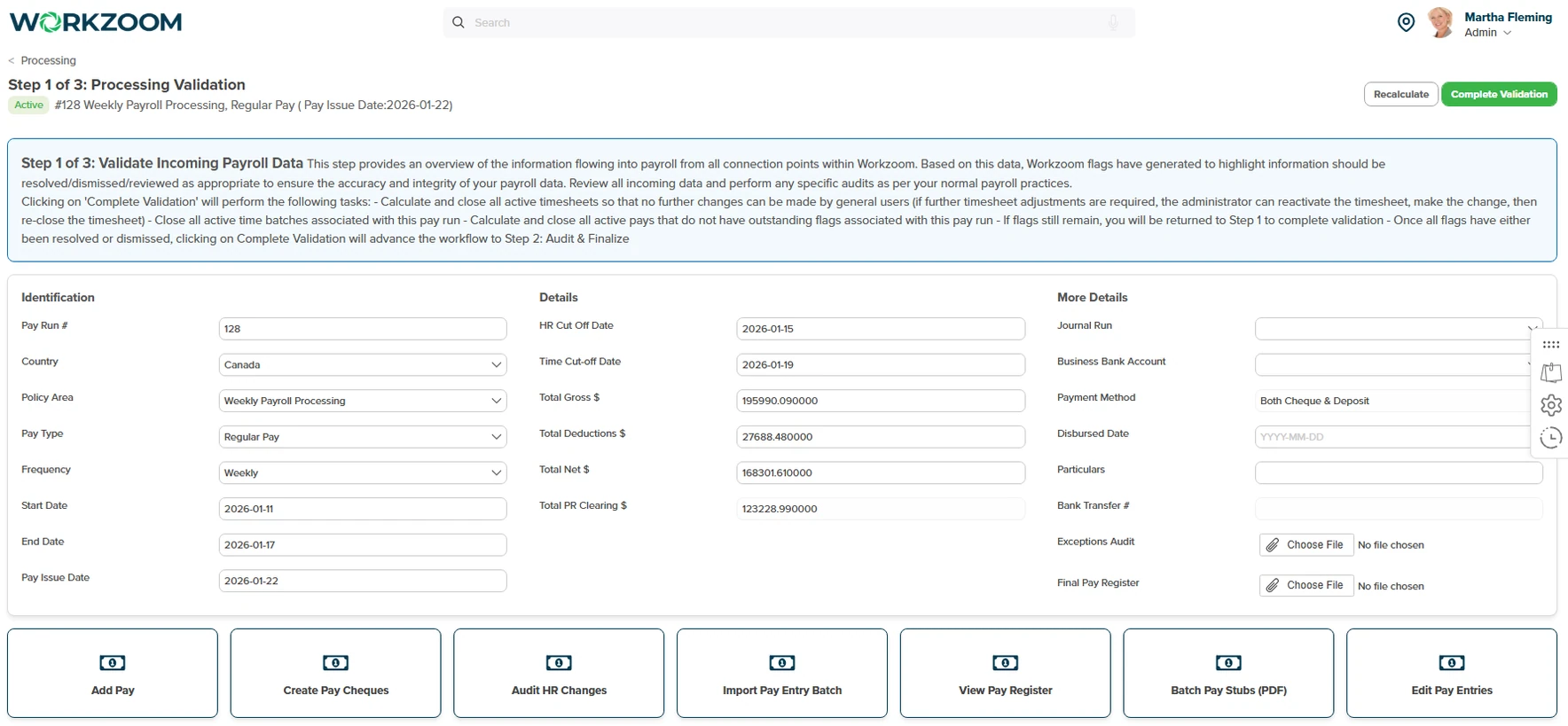
The employee self-service portal becomes crucial here. When employees can access their development plans, track their progress, and see upcoming opportunities, they're less likely to look elsewhere. They can see their trajectory within your organization rather than imagining it somewhere else.
Track talent development in one place
See how Workzoom's performance management and employee self-service help Caribbean companies build internal talent pipelines, starting at $4/employee/month with no implementation fees.
See talent management in actionThe Caribbean Compensation Challenge
Let's address the elephant in the conference room. Trinidad and Tobago companies often can't match North American or European salaries dollar-for-dollar. A senior software developer might earn TT$15,000 monthly in Port of Spain versus CAD$8,000 in Toronto, which translates to similar purchasing power locally but dramatically different savings potential.
Companies that accept this reality and work within it perform better than those that pretend it doesn't exist. They compete on the total value proposition, not just base salary. That's not a salary problem. That's a value-proposition problem.
Smart companies invest that TT$180,000 in retention instead of replacement. They offer housing allowances, vehicle benefits, enhanced health coverage, education support for children, and flexible work arrangements. They create sabbatical programs, sponsor professional certifications, and fund conference attendance.
More worth noting:, they're transparent about career economics. They show employees total compensation including benefits value. They provide clear timelines for advancement and salary progression. They discuss long-term wealth building through profit sharing, equity participation, or retirement planning support.
Skills Development as Retention Strategy
The fastest way to lose good people? Let them stagnate. The fastest way to keep them? Help them grow faster than they imagined possible. This is where so many talented hires walk away around the 18-month mark, right when the early learning curve flattens out.
County of Renfrew, one of our municipal clients in Ontario, demonstrates this approach across their 900-employee organization. They've hired 32 people in a single pay period by creating clear development pathways and using their learning management system to track progress. Their employees see advancement happening around them constantly.
"We wouldn't be able to hire the people that we do anymore with the same resources we already had. It's allowed us to keep our headcount consistent without needing to increase, saving us time and money."
Greg Belmore, Manager of Human Resources, County of Renfrew
This translates directly to Caribbean operations. Instead of sending your best people to expensive external training and hoping they return, create internal development programs. Cross-train across departments. Create mentor relationships between senior and junior staff. Use your performance management system to identify high-potential employees early and invest in their growth deliberately.
Skills development works because it changes the conversation. Instead of "I need to leave to advance," employees think "I can build these capabilities here." Instead of viewing your company as a stepping stone, they see it as a platform for growth.
Leveraging Caribbean Networks and Diaspora
Trinidad's diaspora represents both challenge and opportunity. Yes, talented people leave. But they also maintain connections, build international experience, and sometimes return with enhanced skills and global perspectives.
Progressive companies tap these networks actively. They maintain relationships with former employees who moved abroad. They create alumni networks that share opportunities and referrals. They design "boomerang" programs that welcome back employees who gained international experience.
Remote work arrangements expand this further. Instead of losing talent to migration, companies can retain people who relocate by offering hybrid or fully remote positions. This requires real digital infrastructure and management practices, but it turns brain drain into distributed teams.
The key is viewing diaspora as an extended talent pool rather than a loss. Former employees become ambassadors, potential partners, and sources of referrals. Their international experience becomes an asset to your organization rather than just a benefit to their new employers.
Creating Retention Through Recognition and Feedback
People don't leave jobs. They leave managers and cultures that don't value their contributions. In Trinidad's relationship-focused culture, this matters even more than in purely transactional employment environments.
Regular feedback prevents resignation conversations from being the first time employees hear honest assessment of their performance. If someone's thinking about leaving, you want to know early enough to address their concerns, not during their exit interview.
Silvera for Seniors, managing 400 staff across 30 buildings in Calgary, transformed their retention by implementing continuous feedback systems. Their approach works because it creates ongoing dialogue rather than annual review theater.
"There wasn't a lot of trust in how things were done because we had no real ways to track our data. Now we have clear visibility into performance, development needs, and employee satisfaction. People know where they stand and where they're going."
Crystal Murray, HR Generalist, Silvera for Seniors
Recognition programs need cultural alignment. In Caribbean contexts, public acknowledgment often carries more weight than private bonuses. Team celebrations, company-wide announcements, and community recognition create social validation that purely monetary rewards can't match.
The Technology Infrastructure for Modern Talent Management
Spreadsheets and paper forms don't build talent pipelines. They create administrative burden that distracts from actual people development. Modern talent management requires integrated systems that track development, measure engagement, and identify retention risks before they become departures.
Employee self-service becomes particularly important in smaller markets like Trinidad. When HR teams are lean, letting employees handle their own information, time-off requests, personal details, and development tracking takes the routine work off HR's desk and gives employees the same access at midnight that they would have at 9am.
Performance management systems should capture not just what people accomplish, but what they want to accomplish next. Career planning features help employees visualize their growth within your organization rather than imagining it elsewhere.
Data visibility transforms retention from reactive to proactive. Instead of wondering why people leave, you can identify patterns early. Which departments have higher turnover? Which managers need support with team development? Which high performers haven't had advancement conversations recently?
Building Sustainable Talent Pipelines for the Future
The most successful companies in Trinidad and Tobago think about talent in five-year cycles, not hiring seasons. They develop relationships with universities, create internship programs that convert to full-time offers, and build apprenticeship systems that grow skills internally.
This requires partnership thinking. Work with educational institutions to shape curriculum that meets industry needs. Sponsor students in exchange for work commitments. Create co-op programs that give students real experience while evaluating them as potential hires.
Internal succession planning becomes critical when external hiring is challenging. Identify your key roles and develop at least two potential internal candidates for each position. Cross-train across departments to build flexibility and provide advancement opportunities.
Most worth noting:, measure what matters. Track retention rates by department, manager, and tenure. Monitor internal promotion rates. Survey employees about development satisfaction and career planning. Use this data to adjust programs before problems become departures.
The Path Forward
Building a sustainable talent pipeline in Trinidad and Tobago requires accepting reality while working within it strategically. You can't match every overseas salary offer. But you can create environments where people want to build careers, develop skills, and contribute to something meaningful.
If your best people keep leaving for Toronto and Houston, you're not the problem. The pull of overseas salaries is real and structural. What you can change is whether your organization gives people a reason to stay, a trajectory they can see, and the systems that make that trajectory visible every single day.
The companies that succeed stop thinking about talent as a cost center and start viewing it as their primary competitive advantage. They invest in systems, processes, and relationships that make their organizations places where people choose to stay and grow.
Start with your current team. What would make them more likely to refer friends? What would prevent them from taking calls from recruiters? What development opportunities would excite them enough to stay another two years?
The answers become your talent strategy. Everything else is tactics.
See Workzoom in 30 minutes.
Real product, real questions, no slides. Starts at $4 per employee per month, CAD or USD, with $0 setup fees.
What readers ask after this post on Trinidad and Tobago talent pipeline.
Our clients
The teams that run their people on Workzoom.












Workzoom handles HR, payroll, workforce, and talent on one employee record. Book a 30-minute walkthrough.