 Canada
 United States
 Bahamas
 Jamaica
 Trinidad & Tobago
 Antigua & Barbuda
 Barbados
 Anguilla
Bahamas NIB Compliance 2026: Six Errors Before You Remit

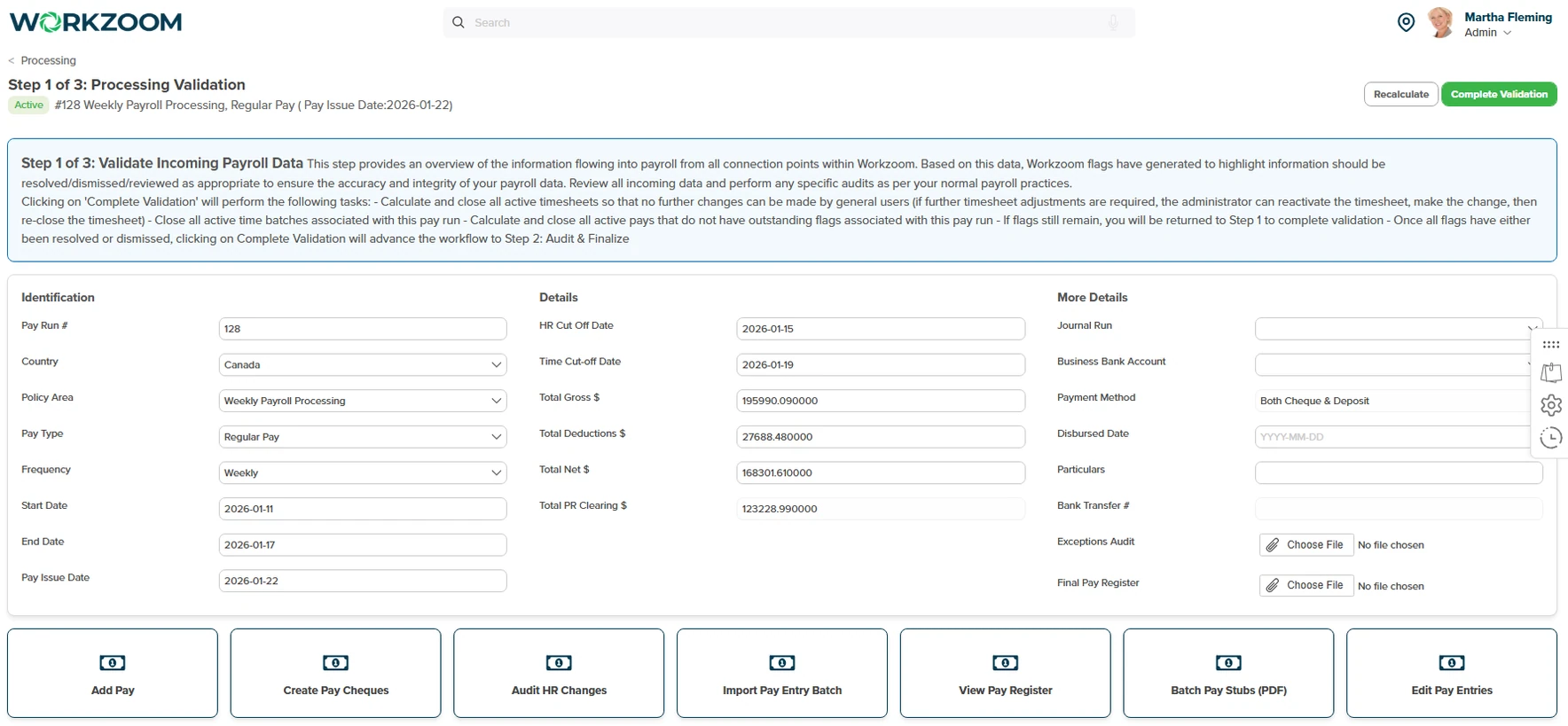
Most Bahamian employers don't get NIB wrong on the rate. They get it wrong on the ceiling, the split, and the deadline. That's not a knowledge gap. That's a process gap. Most Bahamas NIB compliance failures come down to six recurring mistakes that employers make when calculating, remitting, or registering contributions. The National Insurance Board isn't particularly forgiving about any of them. Getting NIB wrong means penalties, corrected filings, and payroll that doesn't match what employees are owed. If you're new to the Bahamian market or scaling your workforce there, these are the gaps to close first.
- NIB total contribution rate: 6.65% employer + 4.65% employee of insurable wages (employer pays 6.65%, employee pays 4.65%). Effective July 1, 2024.
- Insurable wage ceiling: $830/week, effective July 1, 2026 (up from $810 before that date).
- Monthly remittance deadline: 15th of the following month. Unpaid contributions may accrue statutory interest.
- Businesses and self-employed persons register within 10 working days of commencing operations. Individual registration has no fixed day count.
- Contributions are capped at the insurable wage ceiling. Overpaying is as much an error as underpaying.
- Benefits and allowances that count as insurable wages must be included in the calculation base.
What NIB Is and Why the Calculation Matters
The National Insurance Board administers the Bahamas' social insurance program. Think of it as CPP and EI combined into a single scheme: it covers retirement, sickness, maternity, invalidity, and work injury benefits. Both the employer and employee contribute. The employer withholds the employee's share from each paycheck and remits both portions to NIB monthly.
That dual-contribution structure is where a lot of errors start. Employers who have only managed Canadian or US payroll before often treat NIB as a straightforward percentage of salary. It isn't. The ceiling, the classification of what counts as insurable wages, and the split between employer and employee contributions all introduce room for error, and NIB's penalty structure means those errors have a cost.
The Six Bahamas NIB Compliance Mistakes Employers Make Most
1. Using the Wrong Insurable Wage Ceiling
NIB contributions are not calculated on total earnings. They're calculated on insurable wages up to a weekly ceiling. The current ceiling is $830 per week, effective July 1, 2026, up from $810 before that date.
What this means in practice: an employee earning $1,500/week does not generate NIB contributions on the full $1,500. Contributions are capped at the $830 ceiling now in effect. Employers who calculate NIB on gross wages without applying the ceiling are over-remitting, which creates reconciliation problems, overstated employee deductions, and administrative headaches when audited.
The ceiling also changes. NIB reviews it periodically. If your payroll system wasn't updated for the July 1, 2026 move from $810 to $830 per week, you may still be running on last year's figure until someone catches the discrepancy. Workzoom applies the new ceiling on the first pay run on or after the effective date with no manual table update required.
2. Misclassifying Contract Workers as Exempt
NIB applies to employees. Genuine independent contractors are not covered under the NIB scheme and do not require employer NIB contributions. This distinction sounds clean in theory. In practice, many Bahamas employers have workers who are paid on invoice but perform work that looks, feels, and functions like employment.
The NIB test for employment status is not the label on the contract. It looks at control, integration, and economic dependence. A worker who takes direction from the employer, works set hours at the employer's premises, and has no other clients is likely an employee for NIB purposes regardless of what the agreement says.
Misclassifying employees as contractors means no NIB contributions are made for them. When NIB audits that relationship and determines they were employees, the employer owes back contributions, interest, and penalties on amounts that should have been remitted from day one.
3. Missing the Registration Requirement
Businesses and self-employed persons must register with NIB within 10 working days of commencing operations. Individuals in gainful employment should register before, or as soon as possible after, commencing employment. Those are different triggers and should be tracked separately.
The problem usually isn't intentional. It's process. Opening tasks and onboarding paperwork stack up, and NIB registration gets queued behind payroll setup, benefits enrollment, and a dozen other tasks. Track the employer registration deadline from the start of operations and individual registration from the employee's start date.
The fix is procedural: NIB registration has to be a mandatory step in the onboarding workflow, not a separate admin task that someone gets to eventually. Systems that automate onboarding checklists eliminate this failure point entirely.
4. Getting the Employer/Employee Split Wrong
The total NIB contribution rate is 6.65% employer + 4.65% employee of insurable wages (effective July 1, 2024). That total is split unevenly: the employer pays 6.65% and the employee pays 4.65%. The employer withholds the employee's 4.65% from each paycheck and remits the combined 6.65% + 4.65% to NIB.
Two common errors appear here. First, employers calculate NIB at 6.65% + 4.65% and deduct the full amount from the employee's wages, treating it as the employee's sole obligation. The employee ends up with 6.65% + 4.65% deducted instead of 4.65%, and the employer pockets the difference without remitting. Second, employers split the contribution 50/50 by reflex, deducting 5.65% from each party. Neither is correct.
The split matters on the employee's paycheck, on the payroll journal entry, and on the remittance form. Getting it wrong means miscalculated net pay, incorrect employer payroll costs, and remittances that don't match what NIB expects.
5. Missing the Monthly Remittance Deadline
NIB contributions for a given month are due by the 15th of the following month. Pay your January contributions by February 15th. Pay February's contributions by March 15th.
Under section 55(1) of the Bahamas National Insurance Act, unless regulations otherwise provide, sums due to the Fund by way of contribution bear interest compounded annually at the prime rate per annum or another prescribed rate from a prescribed date. Confirm the amount and any other assessment with NIB before making a correction.
This is the most preventable NIB error. The deadline doesn't move. The rate doesn't change month to month. Payroll software with built-in remittance scheduling eliminates this entirely.
6. Excluding Insurable Benefits and Allowances
NIB contributions are based on insurable wages, and insurable wages are not limited to base salary. Housing allowances, meal allowances, transportation allowances, and other regular cash benefits paid in connection with employment may count as insurable wages depending on their nature and regularity.
Employers who calculate NIB contributions on base salary alone, then pay allowances separately, are often under-contributing. When NIB reviews the employment contracts and payslips during an audit, allowances that should have been included in the insurable wage base get added back in, and the employer owes contributions on the difference.
This isn't unique to the Bahamas. It shows up in every jurisdiction where social contributions are based on "remuneration" rather than base salary. But employers unfamiliar with Bahamian payroll often don't think to ask the question when they set up their pay structures.
NIB errors compound over time. A misclassified worker, an excluded allowance, or a wrong ceiling applied for 12 months turns a manageable correction into a significant back-payment with penalties attached. The time to fix the calculation is before NIB asks you to.
Current NIB Contribution Rates (2026)
Here are the rates you need for payroll setup and reconciliation:
- Total contribution rate: 6.65% employer + 4.65% employee of insurable wages
- Employer portion: 6.65%
- Employee portion: 4.65%
- Insurable wage ceiling: $830/week, effective July 1, 2026 (up from $810 before that date; most recently confirmed rate, subject to annual NIB review)
- Monthly remittance deadline: 15th of the following month
The insurable wage ceiling converts to approximately $3,597/month for employers who run monthly payroll. Always verify the current ceiling directly with NIB or through an updated compliance source before finalizing your payroll configuration. NIB publishes revisions when the annual review occurs.
Penalties for Late or Incorrect Remittances
NIB contribution obligations remain with the employer. Under section 55(1) of the Bahamas National Insurance Act, unless regulations otherwise provide, sums due to the Fund by way of contribution bear interest compounded annually at the prime rate per annum or another prescribed rate from a prescribed date. Confirm any enforcement action or assessed amount with NIB.
Underpayments from miscalculated contributions should be reconciled promptly. Keep the affected pay-period detail and confirm the correction and assessment process with NIB.
There is no de minimis threshold. A small calculation error on a handful of employees still generates a formal obligation to correct and remit.
How to Register as an Employer with NIB
Employer registration in the Bahamas is a statutory requirement under the National Insurance Act. NIB administers registration directly through its offices and website. Businesses and self-employed persons must register within 10 working days of commencing operations. Registration requires:
- Business registration documents
- The employer's official name and business address
- Nature of business and industry classification
- Contact details for the person responsible for NIB remittances
Once registered, the employer receives an employer number used on all remittance filings. Individuals in gainful employment should register before, or as soon as possible after, commencing employment. Employees who do not yet have a NIB number should apply as part of onboarding.
Foreign companies entering the Bahamas market for the first time sometimes delay this step while standing up other parts of the operation. That delay creates a liability. NIB registration is not optional and not retroactive in the sense that back-registration doesn't erase the obligation that existed from day one of employment.
How Payroll Software Closes These Gaps
Every one of the six errors above has a software solution.
The ceiling calculation happens automatically when the system knows the current insurable wage threshold. The employer/employee split is pre-configured at 6.65%/4.65% and applied to every pay run without manual intervention. The remittance deadline triggers a scheduled task 15 days before the 15th. Onboarding workflows track individual NIB registration, while opening checklists track the employer's 10-working-day registration deadline. Pay components are tagged at setup as insurable or non-insurable wages, so the calculation base is accurate from the start.
Workzoom's Payroll Suite has been processing Bahamas payroll live for clients including Cable Bahamas (850 employees, payroll cut from 5 days to 1.5 days, 3 payroll staff for close to 1,000 people) and Island Luck (850 employees, 8 payrolls per week across 60+ locations). NIB calculations, contribution splits, and remittance scheduling are built into the engine, not set up manually by each employer from scratch.
The Compliance Suite handles the reporting layer: C10 filings, NIB contribution records, and the documentation you need if NIB ever audits your remittance history.
Workzoom runs at starting at $4/employee/month per suite. No setup fees. No contracts. Month-to-month. For a Bahamas employer running 50 to 500 people, the cost of getting NIB wrong once exceeds what software costs for years of clean payroll.
You got into HR to build a team, not to chase NIB reconciliations every month. For the wider picture on running compliant payroll locally, see our HR and payroll guide for the Bahamas, and for cutting the paper out of your pay cycle, stop printing pay stubs.
Tell Us What You Need to See
If you're setting up Bahamas payroll for the first time or auditing an existing configuration for NIB errors, we'll walk through exactly how Workzoom handles NIB calculations, remittance scheduling, and C10 reporting. No pressure, no slides.
Tell Us What You Need to See- National Insurance Act, Ch. 350, ss. 54-55 claim checked Sep 9, 2026
See Workzoom in 30 minutes.
Real product, real questions, no slides. Starts at $4 per employee per month, CAD or USD, with $0 setup fees.
What readers ask after this post on Bahamas NIB compliance.
Our clients
The teams that run their people on Workzoom.













Workzoom handles HR, payroll, workforce, and talent on one employee record. Book a 30-minute walkthrough.